In the transportation process, the tarpaulin used in the railings, barn grates and other models plays a vital role. It can not only effectively windproof, sunscreen, but also against rain and snow, to ensure the safety of goods. However, the choice of truck tarpaulin is not set in stone. It will be affected by a variety of factors such as the size of the cargo compartment and the use of the scene. Next, we'll take a closer look at different tarp materials and their unique characteristics to help you make a better choice.
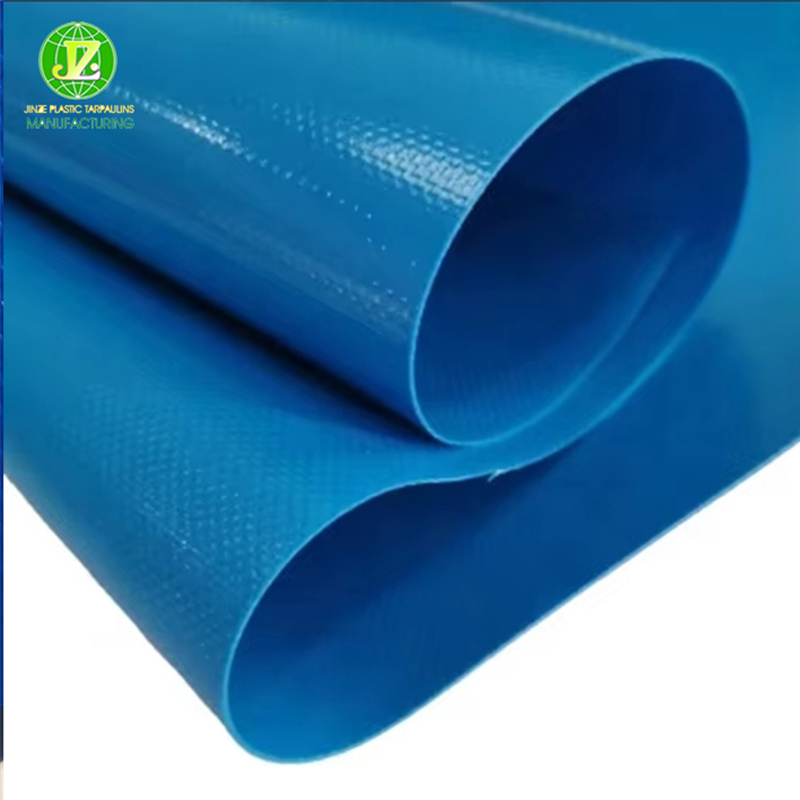
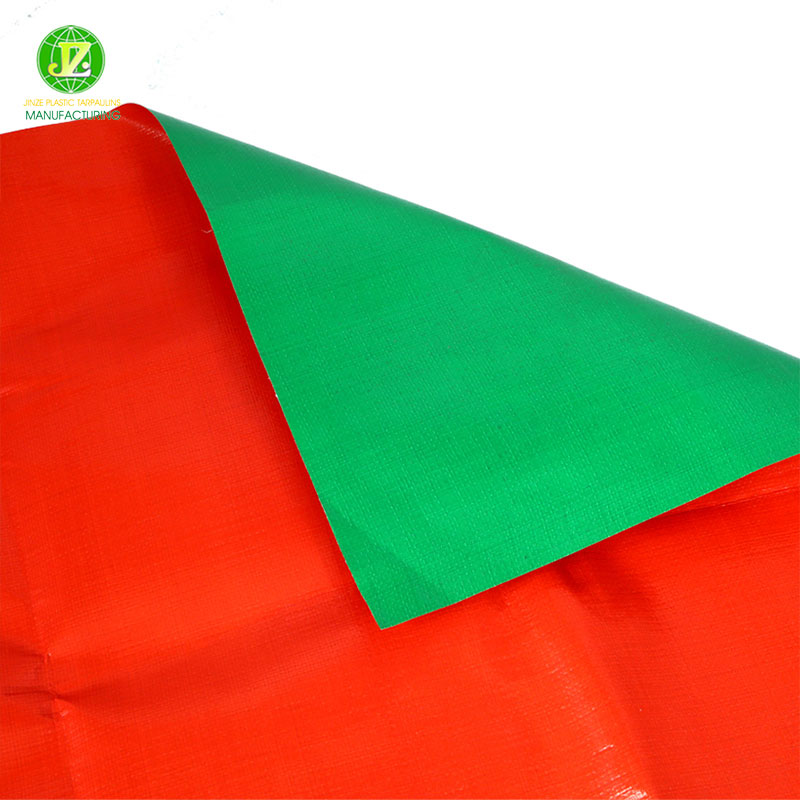
First of all, waterproof is undoubtedly the primary consideration in truck tarp selection. When shopping for a truck tarp, truckers generally pay primary attention to its waterproof performance. This is because, for the railings and warehouse grill cargo compartments, tarpaulin is their main barrier against rain. The waterproof effect is directly related to the safety of goods, once the rain penetrates into the cargo compartment resulting in goods moisture, that will bring considerable economic losses to the truckers. Therefore, most users in the selection of truck tarpaulin, will place waterproof performance in the first place.
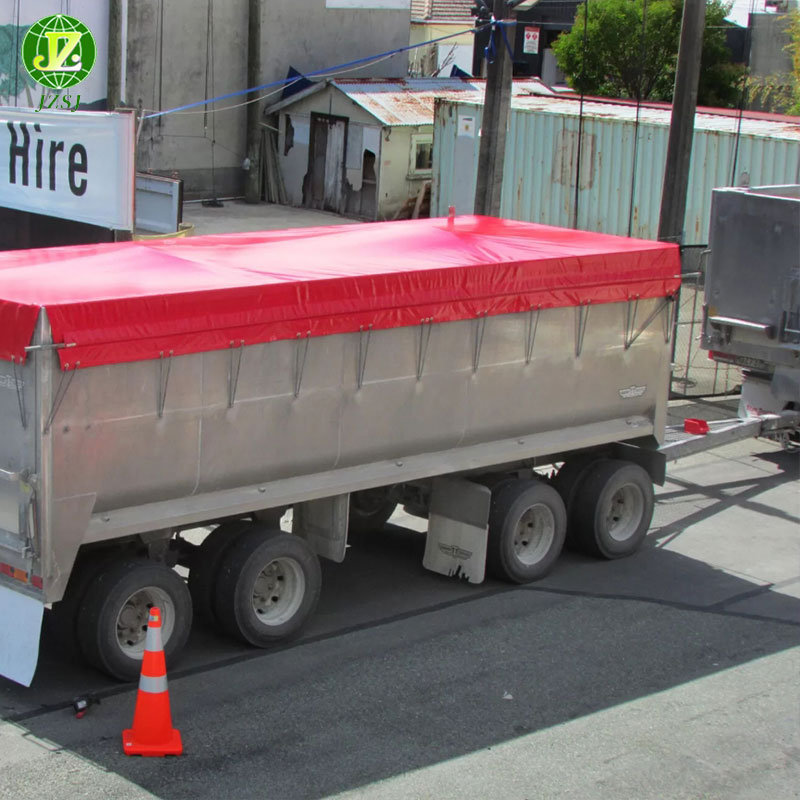
In addition to its excellent waterproof performance, the truck tarpaulin's sun protection and shading should not be ignored especially when transporting fruits and vegetables in summer. If the tarpaulin's sun protection is not good enough to effectively block the sunlight, the fruits and vegetables may be exposed to the sun for a long time and suffer from rotting or drying problems. This will not only affect the quality of the goods, but also the truckers may face the risk of cargo compensation.
During the process of securing a truck tarp, we often need to stretch it hard to ensure that it will bind tightly to the strapping hooks of the cargo compartment. During this process, the tarp is subjected to significant tension. In addition, the road conditions during transportation are complex and unpredictable, and the truck tarpaulin needs to be exposed to the outdoors for a long period of time, facing the combined effects of bad weather and working conditions. Therefore, abrasion resistance, corrosion resistance and tear resistance are crucial. And these characteristics will determine whether the truck tarpaulin can withstand the test of various climatic and working conditions, thus ensuring that it has a relatively long service life.
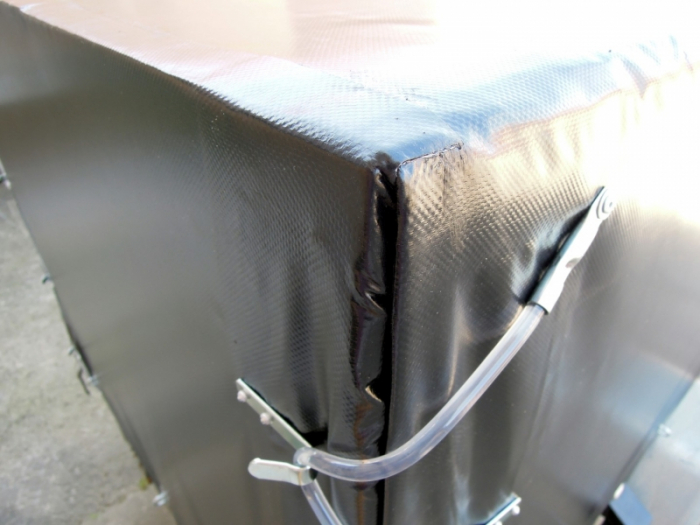
In the market, PVC knife coated tarpaulins remain the dominant truck tarp choice. Among them, the common PVC coated tarpaulin is woven with high-strength polyester yarn, a material that is not only resistant to corrosion and abrasion, but also has superior strength, and is therefore known for its high durability. In addition, it is sprayed with a layer of polyvinyl chloride, which creates a waterproof layer that can effectively resist the erosion of rainwater. PVC knife coated tarpaulin is popular for its high strength and excellent waterproof performance. However, its self-weight is relatively large, and it would be quite a struggle for a single person to operate the covering tarpaulin for a warehouse truck, so this PVC truck tarpaulin is more suitable for truck with a length of less than 9.6m.
If waterproof is important to you and you prefer lightweight, a PE truck tarp is the ideal choice. Usually produced in the form of colored strips, they are made from high-density polyethylene and coated with a PE membrane on both sides of the PE woven fabric. PE tarps are lightweight and affordable, and offer basic waterproof protection. they are lightweight and economical, and are suitable for large trailers, but their abrasion resistance is a little less than that of PVC tarps, and prolonged use in harsh environments can lead to breakage. However, this doesn't stop it from being a widely used option, as it doesn't have to hurt too much even if it breaks.
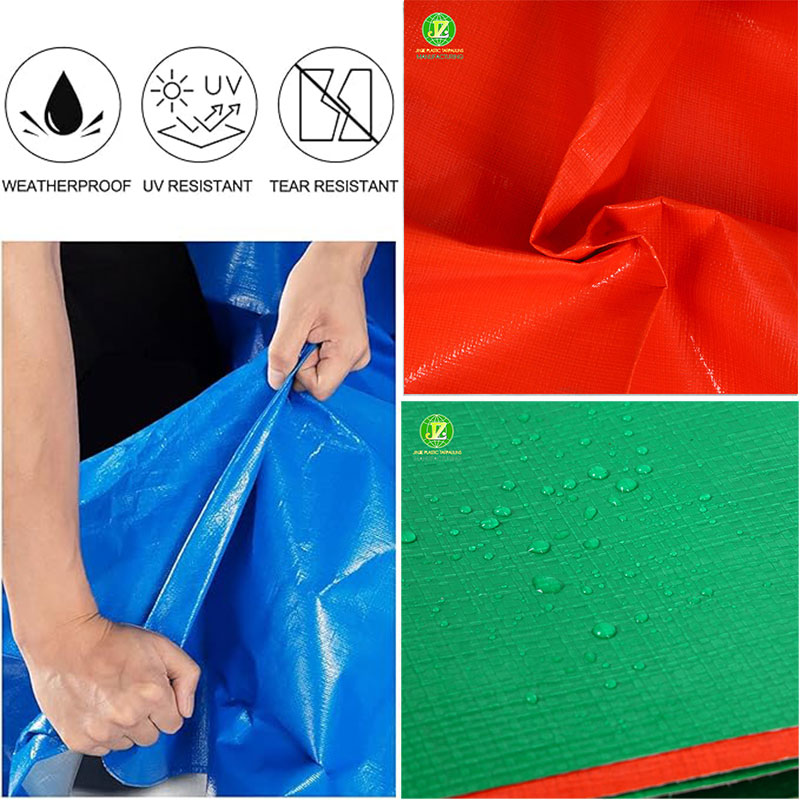
So how do you choose the right tarp for you? It depends on your specific needs. If you regularly transport goods that are susceptible to moisture or frequently encounter bad weather, then a PVC tarp may be a better choice. But if you're more concerned about the lightness and cost of the tarp, a PE tarp might be better for you. You also need to consider the durability and maintenance costs of the tarp before deciding.PVC knife coated tarps, although they have a higher initial cost, may be more economical in the long run due to their durability. PE tarps, on the other hand, are cheaper but may need to be replaced more frequently, which is a hidden cost.